Daimler Truck North America to Equip Vehicles with Updated DEF Inducement Software Aligned with EPA Guidance
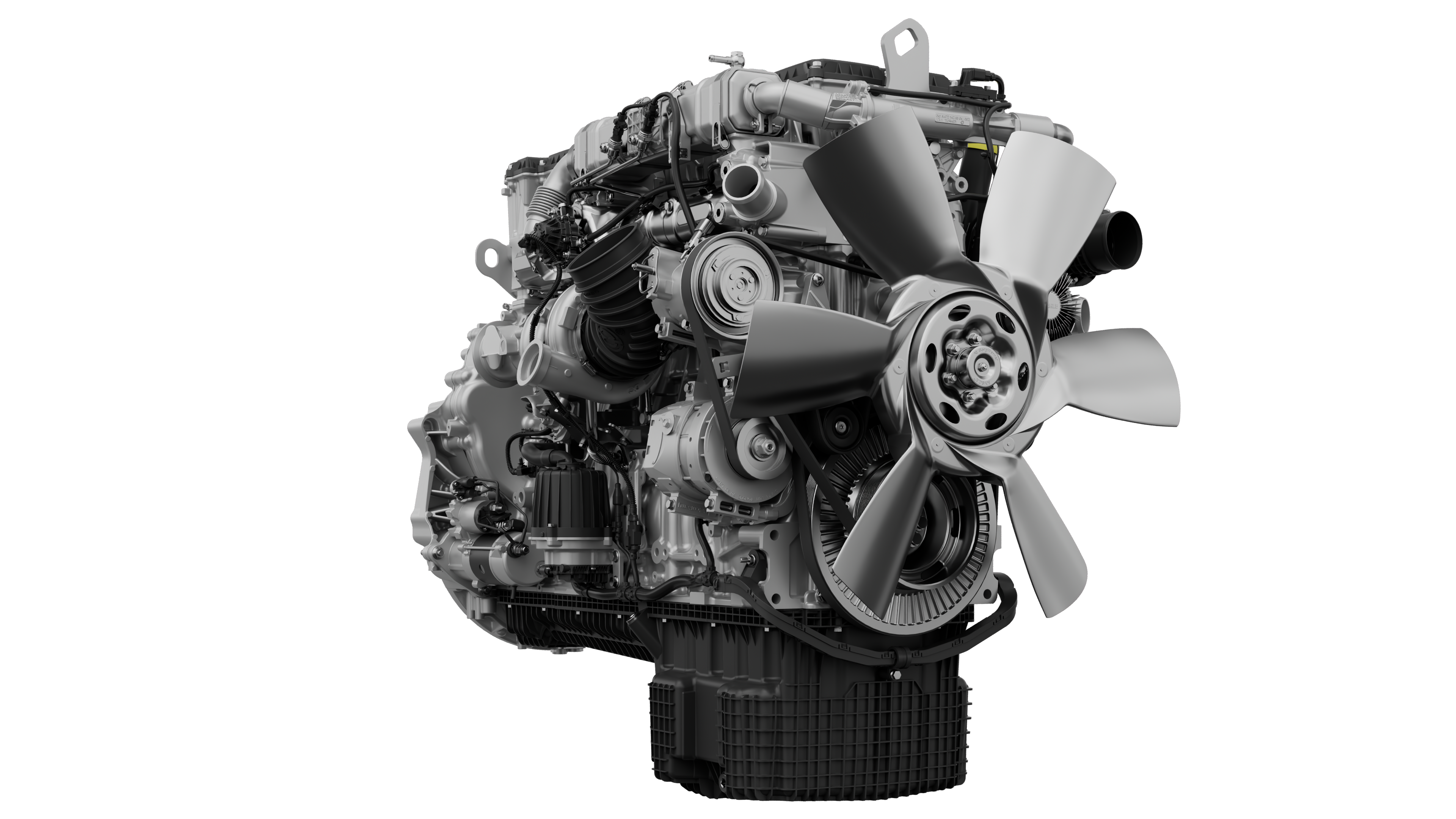
PORTLAND, Ore. (June 18, 2026) — Daimler Truck North America LLC (DTNA), the leading manufacturer of Class 6–8 commercial vehicles, today announced progress in equipping its Detroit engines with updated software reflecting the U.S. Environmental Protection Agency’s (EPA) revised guidance on Diesel Exhaust Fluid (DEF) inducements.
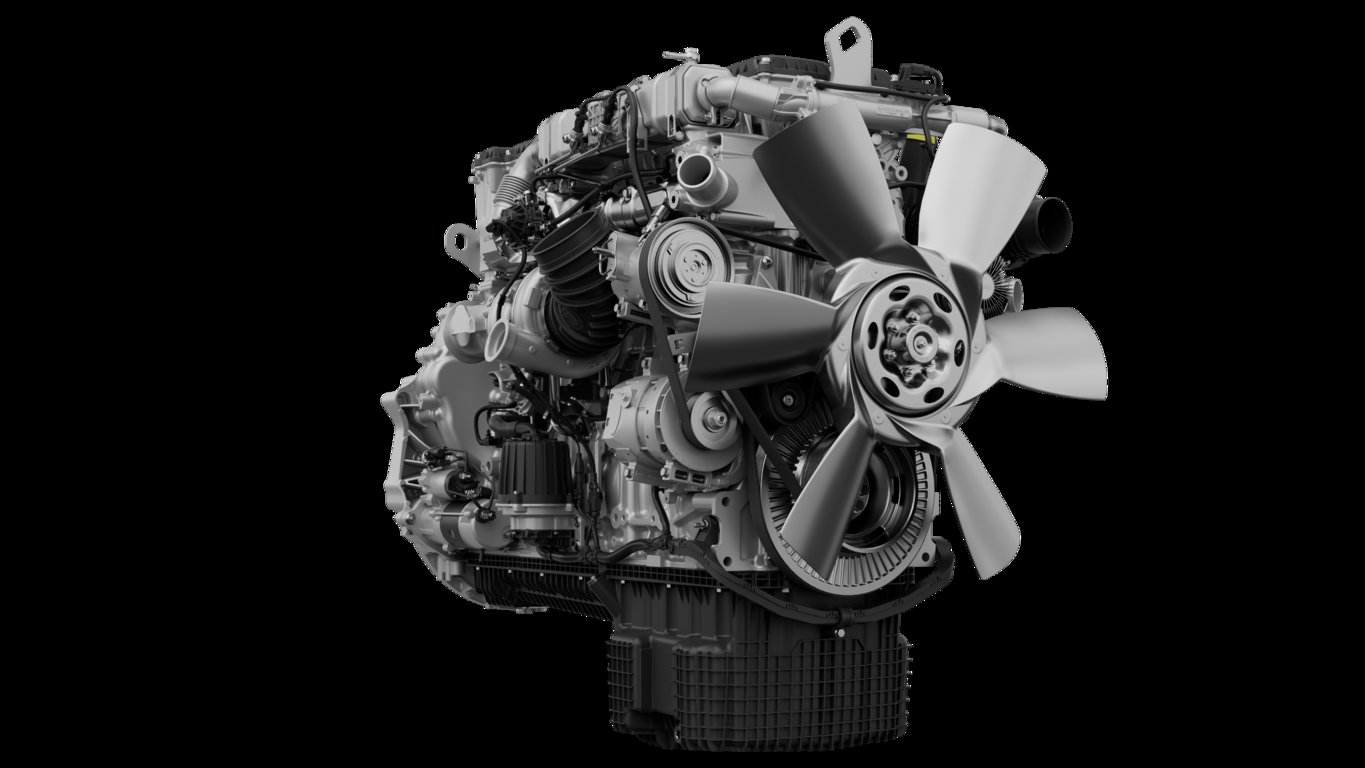
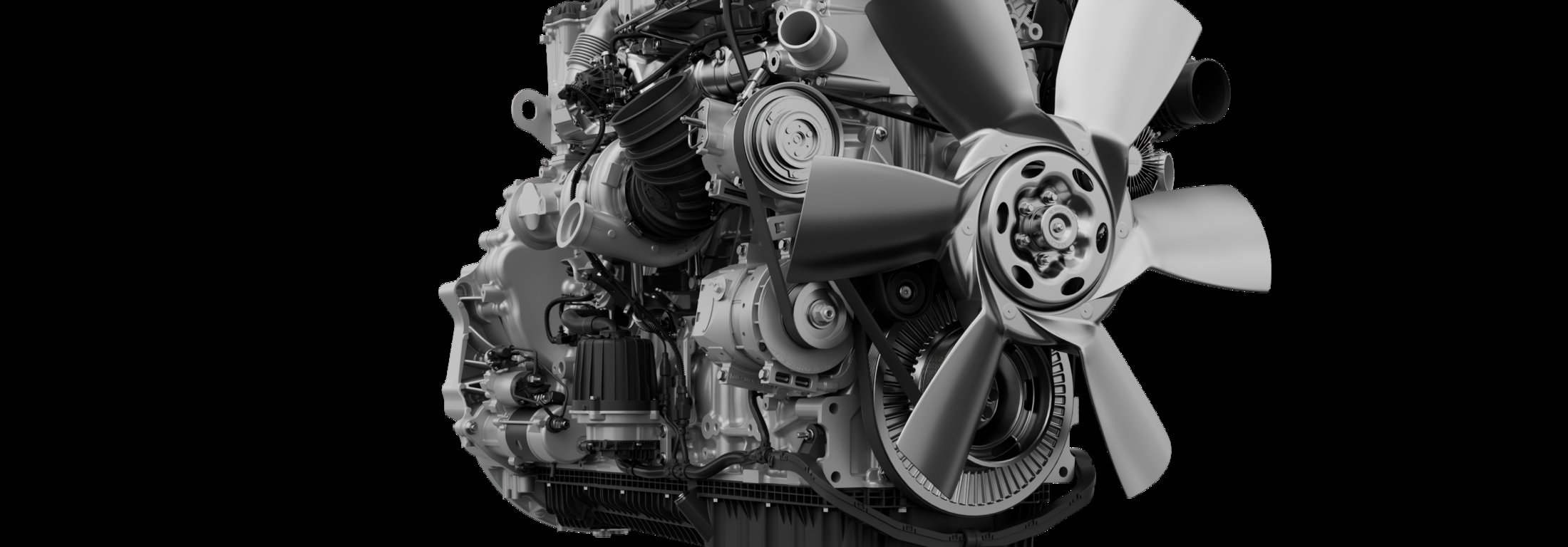
DTNA’s latest Freightliner and Western Star vehicles equipped with Detroit engines are already shipping with the updated software. In addition, DTNA began rolling out the same software to approximately 330,000 in-service vehicles in February 2026, covering DD15 engines (model years 2021-2025) and DD13 engines (model years 2022-2025). These updates will continue throughout 2026.
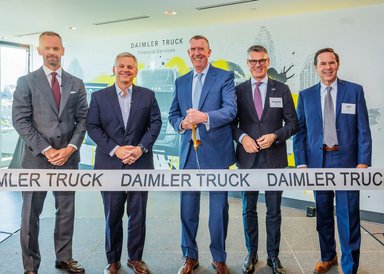
Administrator Kelly Loeffler, U.S. Small Business Administration (SBA), commented: “For too long, small businesses like farmers, truckers, and construction workers have borne the cost of unreliable DEF systems through expensive repairs and needless downtime. This is why the SBA has been calling on OEMs to implement recent EPA guidance. The SBA welcomes Daimler Truck North America’s decision to equip vehicles with updated DEF inducement software, a common-sense step that gives operators greater reliability while reducing costs. This is exactly the kind of relief that the hardest working Americans deserve.”
These updates are designed to improve reliability and reduce unplanned downtime, giving operators more flexibility to address issues without unnecessary disruption to their operations.
Following updated EPA guidance issued in August 2025, DTNA has incorporated new inducement parameters into its software. DEF inducements are built-in safeguards on trucks that ensure emissions systems function properly by reducing vehicle speed and power when issues are detected, such as low DEF levels or reduced performance of the Selective Catalytic Reduction (SCR) system. This slowdown “induces” the driver to correct the issue - typically by refilling the DEF tank, repairing faulty sensors or components, or performing a regeneration cycle – helping maintain emissions compliance while protecting air quality.
Under the new guidance, the speed limit in final inducement has increased from 5 mph to 25 mph, and the time to reach final inducement for component-related issues has been extended. This gives operators more time to complete repairs while helping minimize unnecessary downtime. Emissions compliance remains mandatory, and vehicles must still be repaired to ensure environmental standards are met. The logic to trigger final inducements related to DEF tank level remains unchanged.
SCR technology continues to use DEF to convert nitrogen oxides (NOx) into nitrogen and water, supporting compliance with EPA emissions standards.
This update reflects DTNA’s focus on delivering practical, compliant solutions that help customers stay on the road and operate more efficiently. The company has also informed its dealer network to ensure consistent implementation and support across its service network.
-

Anja Weinert
Spokesperson Corporate Communications Daimler Truck North America
-
DTNA Press Inbox